Introduction
As pet ownership continues to grow worldwide, more households are choosing to keep cats indoors for safety, health, and convenience. Indoor cats enjoy protection from outdoor dangers such as traffic, predators, and harsh weather. However, living indoors also means that cats rely entirely on their owners to provide an environment that supports their natural behaviors. One of the most important pieces of furniture that can improve an indoor cat's comfort and well-being is a Cat House.
A Cat House is more than just a sleeping space. It provides cats with a secure retreat where they can rest, hide, observe their surroundings, and feel protected. Because cats naturally seek enclosed areas or elevated shelters, a well-designed cat house can significantly improve their sense of security and reduce stress in the home environment.
In recent years, the pet furniture industry has introduced a wide range of cat house designs that combine functionality, durability, and modern aesthetics. From plush indoor shelters to multi-functional cat furniture systems, there are many options available for different cat personalities and living spaces.
This guide explores everything you need to know about cat houses, including the different types available, the materials commonly used in their construction, and the key benefits they provide for indoor cats. Whether you are a pet owner looking to improve your cat's living space or a buyer exploring pet furniture options, understanding the role of a Cat House can help you make informed decisions.
Understanding Cat Houses and Their Purpose
What Is a Cat House?
A Cat House is a small shelter or enclosed structure designed specifically to provide cats with a comfortable and secure resting space. Unlike a basic cat bed, which typically offers an open sleeping surface, a cat house usually includes walls, a roof, and an entrance that creates a protected environment for the cat.
The structure of a cat house can vary depending on its design and intended use. Some models resemble miniature houses with doors and windows, while others are designed as cave-style beds or enclosed boxes. Many modern cat houses are integrated into larger cat furniture systems such as cat trees or climbing towers.
The primary purpose of a cat house is to replicate the types of shelters that cats naturally seek in the wild. In nature, cats prefer small, enclosed spaces where they can hide, rest, and monitor their surroundings without feeling exposed. A well-designed Cat House recreates this sense of security in a domestic environment.
Why Indoor Cats Need a Cat House
Indoor cats may appear comfortable in a household environment, but they still retain their natural instincts. One of these instincts is the desire to find safe and quiet spaces for resting. Without a designated private space, cats may choose locations such as closets, under furniture, or inside boxes to fulfill this need.
A Cat House provides a dedicated area where a cat can retreat when it wants privacy. This is especially important in busy households where there may be frequent noise, visitors, or other pets. When a cat has access to its own shelter, it can relax without feeling threatened or disturbed.
In addition to providing privacy, cat houses also help establish a sense of territory. Cats are territorial animals, and having a personal space within the home allows them to feel more secure and confident in their environment.
Cat Houses in Modern Pet Furniture
The design of pet furniture has evolved significantly over the past decade. Today's cat houses are often designed not only for cats but also to complement modern home interiors. Many manufacturers produce furniture-style cat houses that resemble decorative cabinets, side tables, or small pieces of living room furniture.
This integration of style and functionality allows pet owners to provide comfortable spaces for their cats without compromising the aesthetics of their homes. As a result, the Cat House has become an essential element in modern pet furniture design.
Types of Cat Houses
Indoor Cat Houses
Indoor cat houses are the most common type of cat shelter and are specifically designed for use inside homes or apartments. These models often feature soft fabrics, cushioned interiors, and compact structures that fit easily into living spaces.
Many indoor cat houses have a cave-like design that creates a cozy sleeping environment. Others may resemble miniature houses or enclosed cubes with padded interiors. Because indoor environments are temperature controlled, these cat houses typically prioritize comfort and softness rather than weather resistance.
Indoor cat houses are particularly suitable for cats that spend most of their time resting or observing their surroundings from a quiet location.
Outdoor Cat Houses
Outdoor cat houses are built for durability and protection against environmental conditions. They are commonly used in backyards, farms, or shelters where cats may spend time outside.
These cat houses are typically constructed using weather-resistant materials such as treated wood, plastic, or insulated panels. Many models include waterproof roofs, raised floors, and insulated walls to protect cats from rain, wind, and cold temperatures.
Outdoor Cat House designs are often larger and more durable than indoor models because they must withstand environmental exposure.
Multi-Functional Cat Houses
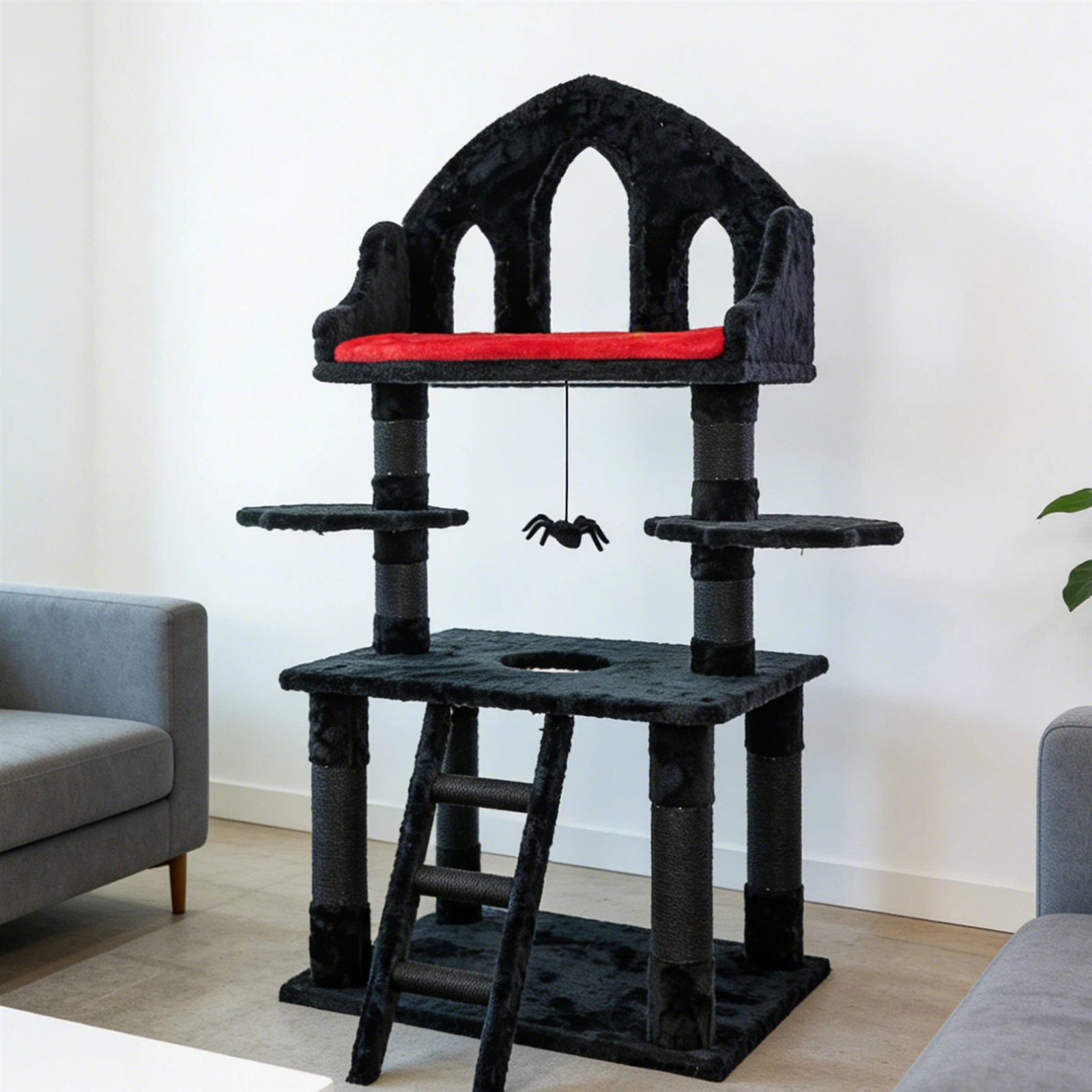
Multi-functional cat houses combine shelter with additional features such as scratching posts, climbing platforms, or interactive toys. These designs are often integrated into cat trees or multi-level cat furniture systems.
A multi-functional Cat House provides several benefits in one structure. Cats can climb, scratch, rest, and play without needing separate pieces of furniture. This design is particularly useful for indoor cats that require stimulation and physical activity.
Many pet owners prefer multi-functional cat houses because they save space while offering multiple activities for their pets.
Furniture-Style Cat Houses
Furniture-style cat houses are designed to blend seamlessly into home interiors. Instead of looking like traditional pet products, these cat houses resemble modern furniture pieces such as cabinets, side tables, or decorative storage units.
These designs often feature hidden entrances or internal sleeping compartments that allow cats to rest inside the furniture. Some models even include storage space for pet accessories or integrated scratching surfaces.
The growing popularity of furniture-style Cat House products reflects the increasing demand for stylish and functional pet furniture.
Materials Used in Cat House Manufacturing
Wooden Cat Houses
Wood is one of the most common materials used in cat house construction. Wooden cat houses provide strong structural stability and a natural appearance that fits well with home decor.
Solid wood and engineered wood panels are often used to create durable frames and walls. Wooden cat houses can also be painted or finished in different styles to match interior furniture.
In addition to durability, wood offers good insulation properties, making it suitable for both indoor and outdoor cat houses.
Fabric and Plush Cat Houses
Fabric and plush materials are commonly used in indoor cat houses because they provide comfort and warmth. These materials are often used for cave-style beds or soft cat houses designed for relaxation.
Many plush cat houses include removable cushions or washable covers, making them easy to clean and maintain. The softness of these materials encourages cats to spend more time resting in their designated space.
Cardboard Cat Houses
Cardboard cat houses are lightweight and environmentally friendly options that are becoming increasingly popular. They are often designed as temporary shelters or playhouses for cats.
In addition to serving as a resting space, cardboard structures often double as scratching surfaces. This allows cats to sharpen their claws while using the cat house.
Because cardboard is inexpensive and recyclable, these cat houses are frequently used for short-term or interactive purposes.
Plastic and Composite Cat Houses
Plastic cat houses are known for their durability and ease of maintenance. These models are typically used outdoors because they resist moisture and are easy to clean.
Composite materials may also be used to improve structural strength while maintaining lightweight construction. Plastic Cat House designs are often molded into shapes that provide insulation and protection from weather.
Eco-Friendly Materials
As sustainability becomes more important in manufacturing, many companies are introducing cat houses made from eco-friendly materials. These may include bamboo panels, recycled fabrics, and natural fibers such as jute or sisal.
Eco-friendly cat houses appeal to environmentally conscious consumers and reflect a growing trend toward sustainable pet product design.
Benefits of Cat Houses for Indoor Cats
Providing Security and Privacy
Cats instinctively prefer enclosed spaces where they feel protected. A Cat House offers a private retreat where cats can relax without disturbances from people or other pets.
This sense of security is particularly important for shy cats or newly adopted pets adjusting to a new home.
Supporting Natural Behavior
Even though indoor cats live in a controlled environment, they still retain natural instincts such as hiding, observing, and resting in protected locations. A cat house provides an environment that supports these behaviors.
Reducing Stress and Anxiety
Stress can occur in multi-pet households or busy homes with frequent activity. When cats have access to a private shelter, they can retreat to a quiet space whenever they feel overwhelmed.
A well-placed Cat House can help create a calm and stable environment for indoor cats.
Protecting Household Furniture
When cats have their own designated resting and scratching areas, they are less likely to use sofas, beds, or chairs for these activities. Some cat houses even include scratching surfaces that redirect clawing behavior away from household furniture.
Improving Overall Comfort
Comfort is essential for maintaining a cat's health and well-being. A cat house with proper cushioning and insulation provides a warm and comfortable resting space where cats can sleep peacefully.
How to Choose the Right Cat House
Selecting the right cat house requires consideration of several factors, including the cat's size, personality, and living environment.
First, the size of the Cat House should match the size of the cat. Larger breeds require more spacious interiors, while smaller cats may prefer compact shelters.
Second, the materials used in construction should be durable and easy to clean. High-quality materials help ensure that the cat house remains stable and comfortable over time.
Third, the design should fit the available space in the home. Some cat houses are designed for corners or small apartments, while others function as larger pieces of furniture.
Finally, ease of maintenance is important. Removable cushions or washable fabrics make it easier to keep the cat house clean and hygienic.
Conclusion
A Cat House plays an essential role in creating a comfortable and supportive environment for indoor cats. By providing a secure shelter, cat houses help satisfy natural feline instincts such as hiding, resting, and observing their surroundings.
With a wide variety of designs available-including indoor shelters, outdoor houses, multi-functional furniture, and decorative furniture-style models-cat owners can choose products that suit both their pets and their living spaces.
Understanding the different types of cat houses, the materials used in their construction, and the benefits they offer allows pet owners and buyers to make informed decisions. When chosen carefully, a high-quality Cat House can improve a cat's quality of life, reduce stress, and create a more harmonious home environment for both pets and their owners.