Introduction
Cats are natural climbers, explorers, and hunters, even when they live entirely indoors. As the popularity of indoor cats continues to rise worldwide, pet owners are increasingly looking for ways to provide enriched environments that satisfy their feline companions' physical and mental needs. One of the most effective tools to achieve this is the Cat Tree-a multifunctional piece of furniture designed to support climbing, scratching, playing, and resting in one integrated structure.
A Cat Tree is not just a luxury; it is a practical investment in a cat's overall well-being. Indoor cats often lack sufficient vertical space and designated areas for exercise and scratching. Without these outlets, they may become bored, stressed, or even destructive. A cat tree addresses these issues by combining vertical territory, cozy resting areas, and interactive play features into a single piece of furniture.
This article explores the world of cat trees, focusing on the types, designs, materials, and benefits they offer to indoor cats. Whether you are a new cat owner, a seasoned pet enthusiast, or a retailer looking to source premium cat furniture, understanding the role of a cat tree is essential for promoting feline health and enriching indoor environments.
1. Understanding Cat Trees
1.1 What Is a Cat Tree?
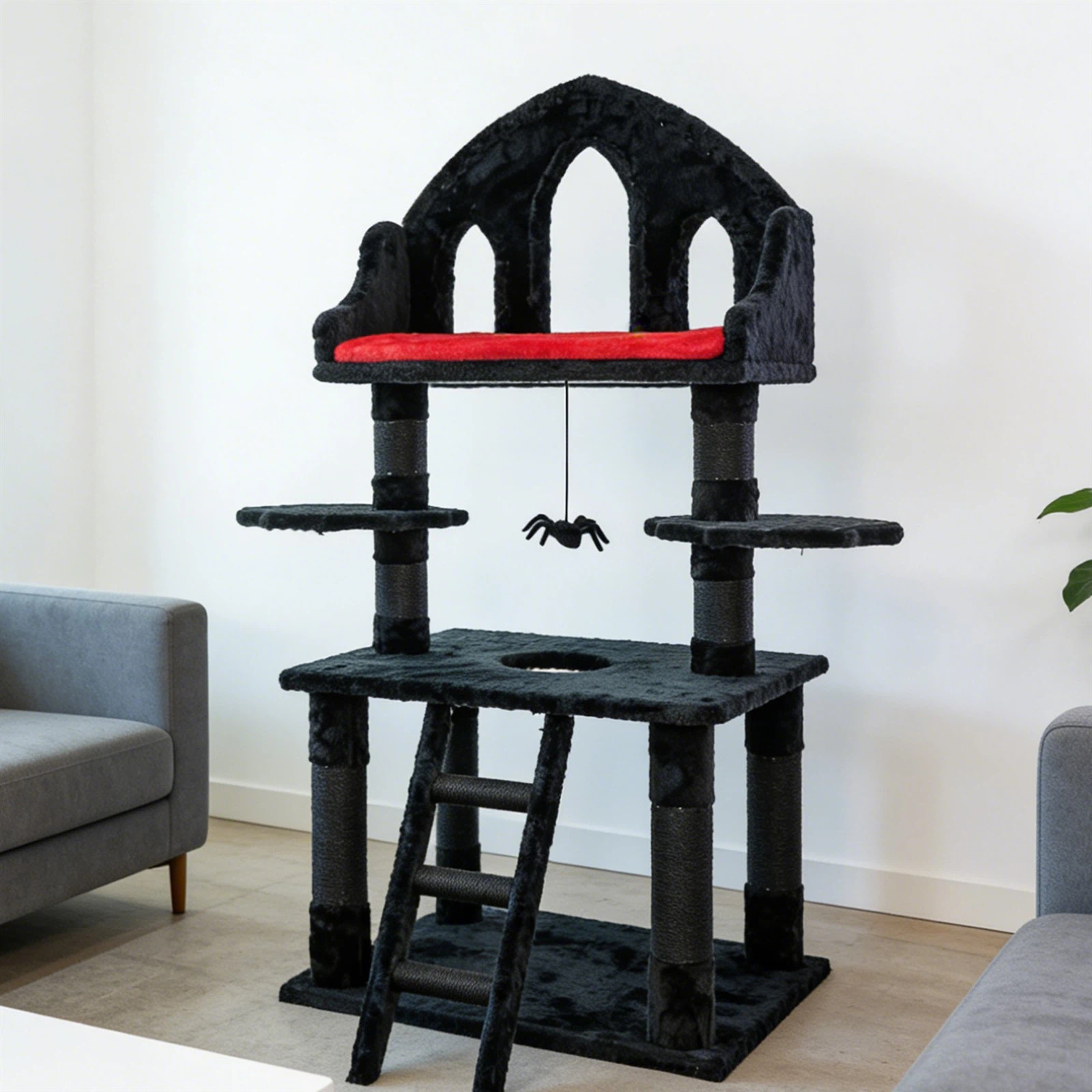
A Cat Tree is a vertical or multi-level structure built specifically for cats to climb, scratch, rest, and play. Typically, it includes multiple platforms, perches, scratching posts, hideaways, and sometimes hanging toys. The design of a cat tree mimics natural vertical spaces found in the wild, such as trees and elevated shelters, allowing cats to exercise their instincts safely indoors.
Unlike standard pet beds or furniture, a cat tree provides a combination of rest, entertainment, and territorial enrichment. Its vertical nature allows cats to gain a sense of control over their environment, which is particularly important in multi-cat households where territorial disputes can occur.
1.2 Why Indoor Cats Need a Cat Tree
Indoor cats often face limited opportunities for climbing, jumping, and exploring. A cat tree offers vertical territory, reducing stress in households with multiple cats. It encourages physical activity, promoting healthy muscles, joints, and coordination. Cats also enjoy interactive play, and cat trees often include dangling toys or tunnels that stimulate mental activity.
Providing a designated scratching surface through a cat tree prevents cats from damaging household furniture. Scratching is a natural behavior for cats to maintain claw health and mark territory. A cat tree channels this behavior constructively, protecting your home while supporting feline instincts.
1.3 Cat Trees vs Other Cat Furniture
Cat trees differ from simple cat shelves, condos, or beds by offering multifunctionality. While shelves provide climbing opportunities and condos may offer resting spots, cat trees integrate climbing platforms, scratching posts, hideaways, and perches into one cohesive structure. This multifunctional design ensures that indoor cats receive both exercise and comfort in a single furniture piece.
2. Types of Cat Trees
2.1 Standard Cat Trees
Standard cat trees are vertical structures with multiple levels, platforms, and resting areas. They provide cats with opportunities to climb, jump, and observe their surroundings from elevated positions. These structures are suitable for small to medium-sized homes and accommodate a wide range of feline activity levels.
2.2 Multi-Functional Cat Trees
Multi-functional cat trees combine climbing, resting, scratching, and play in one structure. They often include hammocks, tunnels, hanging toys, and hideaways to engage active cats physically and mentally. Young cats and kittens especially benefit from these designs, as they provide continuous stimulation and encourage healthy exercise habits.
2.3 Corner and Wall-Mounted Cat Trees
For homes with limited floor space, corner or wall-mounted cat trees are ideal. Wall-mounted platforms allow cats to climb vertically without taking up much horizontal space. Corner cat trees fit snugly into unused areas, making them suitable for apartments and compact living environments. These designs provide vertical enrichment while optimizing available space.
2.4 Luxury and Designer Cat Trees
Luxury or designer cat trees integrate aesthetics with functionality. These furniture-style cat trees blend seamlessly with home interiors while offering cats climbing, scratching, and resting areas. Some models include stylish materials, hidden compartments, or multi-level platforms that serve as both pet furniture and home décor. These options appeal to owners who prioritize design without compromising feline comfort.
2.5 Outdoor Cat Trees
Outdoor cat trees are designed for gardens, patios, or balconies. Constructed with weather-resistant materials, they provide safe elevated spaces for outdoor cats. Some models include waterproof roofs, elevated platforms, and protective barriers to shield cats from rain, wind, or predators. Outdoor cat trees allow cats to experience fresh air and natural sunlight safely.
3. Materials and Construction of Cat Trees
3.1 Wood-Based Cat Trees
Wood-based cat trees provide sturdy and durable structures. Solid wood, MDF, or plywood frames can support multiple cats and heavy breeds. Wood offers stability, long-lasting durability, and a natural look that complements home décor. Some wood-based cat trees are also combined with other materials, such as carpet or rope, to enhance functionality.
3.2 Carpeted Cat Trees
Carpeted cat trees feature fabric coverings on platforms and posts. The soft texture provides traction for climbing and comfort for resting. Carpeted surfaces also serve as scratching areas, helping cats satisfy their natural scratching instincts. These cat trees are easy to clean and replace sections of worn carpet as needed.
3.3 Sisal and Rope Scratching Posts
Sisal rope is a durable material commonly used for scratching posts integrated into cat trees. Sisal withstands repeated clawing and encourages cats to scratch in designated areas rather than on furniture. Rope-wrapped posts are ideal for maintaining claw health and promoting natural stretching behaviors.
3.4 Plush and Fabric Coverings
Many cat trees include plush surfaces for platforms, perches, and enclosed hideaways. Plush fabrics provide warmth and comfort, encouraging cats to use the tree as a resting area. The softness of these materials adds a cozy, inviting element that cats are naturally drawn to.
3.5 Eco-Friendly Materials
Eco-conscious pet owners increasingly seek cat trees made from sustainable materials, such as bamboo, recycled wood, or natural fibers. These materials provide durability and comfort while reducing environmental impact. Eco-friendly cat trees are particularly appealing for homes prioritizing sustainability and non-toxic materials.
4. Benefits of Cat Trees
4.1 Promotes Physical Health
Climbing, jumping, and stretching on a cat tree help maintain muscle tone, flexibility, and coordination. Active engagement prevents obesity and supports cardiovascular health. Multi-level structures encourage cats to exercise voluntarily, enhancing overall well-being.
4.2 Mental and Behavioral Benefits
Cat trees offer stimulation through interactive elements like hanging toys, tunnels, and perches. Providing vertical territory reduces boredom and anxiety, minimizing destructive behaviors. Cats enjoy observing their environment from elevated positions, which satisfies their natural curiosity and hunting instincts.
4.3 Provides a Safe and Personal Space
Enclosed compartments, high platforms, and hideaways on cat trees give cats private spaces to retreat and rest. Personal territory helps reduce stress, particularly in multi-cat households, by providing clear boundaries and secure areas for individual cats.
4.4 Protects Household Furniture
Designated scratching posts and platforms prevent cats from targeting sofas, curtains, or beds. By providing an attractive alternative, cat trees protect home interiors while supporting natural feline behaviors.
4.5 Enhances Indoor Environment
Cat trees maximize vertical space, making efficient use of homes with limited floor area. They offer functional enrichment while adding a decorative element, especially with modern or designer models. By combining exercise, play, and rest, cat trees improve the quality of indoor living for both cats and owners.
5. How to Choose the Right Cat Tree
5.1 Consider Your Cat's Size and Behavior
When selecting a cat tree, consider your cat's size, activity level, and sleeping habits. Larger breeds need spacious platforms and sturdy posts. Energetic kittens benefit from multi-level trees with interactive features, while older cats may prefer lower, stable platforms for resting.
5.2 Space and Placement in Your Home
Assess the available floor space, ceiling height, and home layout before purchasing a cat tree. Place trees near windows or sunny spots to maximize enjoyment. Corner cat trees or wall-mounted designs are ideal for apartments or limited spaces.
5.3 Durability and Material Quality
Choose cat trees made with strong, safe, and non-toxic materials. Check for reinforced posts, stable bases, and secure attachments to ensure safety. Durable construction guarantees long-lasting use, especially for households with multiple cats.
5.4 Ease of Cleaning and Maintenance
Cat trees with removable covers, washable fabrics, or modular components simplify cleaning and maintenance. Regular cleaning prevents odors, hair buildup, and potential allergens, ensuring a hygienic environment for both cats and owners.
Conclusion
A Cat Tree is an essential addition to any indoor cat's environment, offering benefits that go beyond simple play or rest. By combining vertical climbing opportunities, scratching posts, hideaways, and resting areas, cat trees fulfill cats' natural instincts while promoting physical health, mental stimulation, and emotional well-being.
Selecting the right cat tree involves evaluating your cat's size, behavior, and activity level, as well as considering home space, materials, durability, and maintenance requirements. Modern cat trees cater to a wide range of needs, from simple multi-level designs to luxury furniture-style models that enhance home décor.
Investing in a quality cat tree is an investment in your cat's happiness and health. With the right cat tree, indoor cats can exercise, play, and rest safely while reducing stress, boredom, and destructive behaviors-ultimately improving their quality of life and strengthening the bond between pet and owner.